Butun axtardiqlarinizi tapmaq ucun buraya: DAXIL OLUN
  Mp4 Mp3 Axtar Yukle
  Video Axtar Yukle
  Shekil Axtar Yukle
  Informasiya Melumat Axtar
  Hazir Inshalar Toplusu
  AZERI CHAT + Tanishliq
  Saglamliq Tibbi Melumat
  Whatsapp Plus Yukle(Yeni)

  • Ana səhifə
  • Təsadüfi
  • Yaxınlıqdakılar
  • Daxil ol
  • Nizamlamalar
İndi ianə et Əgər Vikipediya sizin üçün faydalıdırsa, bu gün ianə edin.
Birthday mode (Baby Globe) settings

Fayl:M76, NGC 650-651 (noao-m76-kpno-0-9-meter).jpg

  • Fayl
  • Müzakirə
  • Fayl
  • Faylın tarixçəsi
  • Faylın istifadəsi
  • Metaməlumatlar
Fayl:M76, NGC 650-651 (noao-m76-kpno-0-9-meter).jpg
Sınaq göstərişi ölçüsü: 600 × 600 piksel. Digər ölçülər: 240 × 240 piksel | 480 × 480 piksel | 750 × 750 piksel.
Faylın orijinalı (750 × 750 piksel, fayl həcmi: 250 KB, MIME növü: image/jpeg)
Bu fayl Vikianbarda yerləşir. Açıqlama səhifəsindəki məlumatlar aşağıda göstərilib.
Vikianbar azad lisenziyalı media anbarıdır. Siz də töhfə verə bilərsiniz.

Xülasə

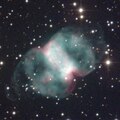
İzahM76, NGC 650-651 (noao-m76-kpno-0-9-meter).jpg
English: The planetary nebula M76 in the constellation Perseus has been known under several names, such as the Cork, Butterfly or Barbell Nebula, but is most often called the Little Dumbbell (see the Dumbbell itself). M76 was given two NGC numbers because Herschel believed it to be an unresolved double nebula. It is one of the faintest Messier objects, with an integrated visual magnitude fainter than 12 and generally low surface brightness. The sharp edges of the central rectangular portion contrast with the large wisp-like extensions appearing as two overlapping ellipses centered on the short axis of the rectangle. The central star is still visible at a photographic magnitude of 16.5, and is variously sized from 0.6 solar masses to 0.9 solar masses at temperatures from below 100,000K to above 170,000K. Combining the observed morphology with measurements of the velocity field across the nebula, it becomes quite difficult to construct a physical model for just how this central star ejected its envelope. The two current best suggestions are a double coaxial toroid, and a distorted double coaxial toroid on the surface of a cone. Both models have some trouble reproducing both the surface brightness variations and the velocity structure, but the conical model is slightly better. Conical ejection could be due to rotation of the stellar envelope, to preferential ejection along the magnetic poles of an oblique rotator, to the structure of the extended pre-planetary phase being frozen-in, or even to the effect of a common-envelope close binary. Clearly, an explanation is not yet forthcoming, and M76 continues to be one of the more interesting and attractive planetary nebulae in the sky. Location: 01 38.8 +57 19 (1950.0), distance: about 2500 light-years but very uncertain, size: about 0.7 light-years across, obviously also uncertain. This image was created from data taken in December 1996 at the WIYN 0.9-meter Telescope. Image size 4.8 arc minutes.
Tarix 18 sentyabr 2020, 02:11 (upload date)
Mənbə M76, NGC 650/651
Müəllif N.A.Sharp/NOIRLab/NSF/AURA
Digər versiyalar
  • TIFF version
    TIFF version

Lisenziya

This media was created by the National Optical-Infrared Astronomy Research Laboratory (NOIRLab).
Their website states: "Unless specifically noted, the images, videos, and music distributed on the public NOIRLab website, along with the texts of press releases, announcements, images of the week and captions; are licensed under a Creative Commons Attribution 4.0 International License, and may on a non-exclusive basis be reproduced without fee provided the credit is clear and visible."
To the uploader: You must provide a link (URL) to the original file and the authorship information if available.
w:az:Creative Commons
istinad vermək
Bu fayl Creative Commons Attribution 4.0 Beynəlxalq lisenziyası altında yayımlanır.
Siz heç bir məhdudiyyət olmadan:
  • paylaşa bilərsiniz – əsəri köçürə, paylaya və ötürə bilərsiniz
  • remiks edə bilərsiniz – əsəri adaptasiya edə bilərsiniz
Aşağıdakı şərtlərə əməl etməklə:
  • istinad vermək – Müvafiq istinad verməli, lisenziyaya keçid əlavə etməli və dəyişikliklər edilib-edilmədiyini bildirməlisiniz . Siz bunu istənilən şəkildə edə bilərsiniz, lakin lisenziya verənin sizə şəxsən icazə verdiyini göstərən formada yox.
https://creativecommons.org/licenses/by/4.0CC BY 4.0 Creative Commons Attribution 4.0 truetrue

Başlıqlar

Bu faylın nəyi təmsil etdiyinə dair bir sətirlik izahat əlavə et
The planetary nebula M76 in the constellation Perseus has been known under several names, such as the Cork, Butterfly or Barbell Nebula, but is most often called the Little Dumbbell (see the Dumbbell itself).

Bu faylda təsvir olunan elementlər

təsvir edir

NGC 650

müəlliflik hüququ statusu

copyrighted ingilis

lisenziya

Creative Commons Attribution 4.0 International

media type ingilis

image/jpeg

hündürlüyü/boyu

750 piksel

eni

750 piksel

datanın ölçüsü

256.049 Bayt

checksum ingilis

9f558a6685d13dce6624ea02db01cfbf9ba086e8

təyinetmə üsulu: SHA-1

yaranma tarixi

18 sentyabr 2020

source of file ingilis

file available on the internet ingilis

URL-də təsvir edilmişdir: https://noirlab.edu/public/images/noao-m76-kpno-0-9-meter
URL: https://noirlab.edu/public/media/archives/images/large/noao-m76-kpno-0-9-meter.jpg

pHash checksum ingilis

2lak4bovf7gdwi8q000mkn91a8ampuj6knzf4dbjss3hkljanq

təyinetmə üsulu: JImagehash perceptual hash ingilis

Faylın tarixçəsi

Faylın əvvəlki versiyasını görmək üçün gün/tarix bölməsindəki tarixlərə klikləyin.

Tarix/VaxtMiniatürÖlçülərİstifadəçiŞərh
hal-hazırkı08:43, 26 iyul 202308:43, 26 iyul 2023 tarixindəki versiyanın miniatür görüntüsü750 × 750 (250 KB)OptimusPrimeBot#Spacemedia - Upload of https://noirlab.edu/public/media/archives/images/large/noao-m76-kpno-0-9-meter.jpg via Commons:Spacemedia

Faylın istifadəsi

Bu faylı istifadə edən səhifə yoxdur (digər layihələrdəki səhifələr göstərilmir).

Metaməlumatlar

Bu faylda fotoaparat və ya skanerlə əlavə olunmuş məlumatlar var. Əgər fayl sonradan olunubsa, bəzi parametrlər bu şəkildə göstərilənlərdən fərqli ola bilər.

Şəkil başlığı
  • The planetary nebula M76 in the constellation Perseus has been known under several names, such as the Cork, Butterfly or Barbell Nebula, but is most often called the Little Dumbbell (see the Dumbbell itself). M76 was given two NGC numbers because Herschel believed it to be an unresolved double nebula. It is one of the faintest Messier objects, with an integrated visual magnitude fainter than 12 and generally low surface brightness. The sharp edges of the central rectangular portion contrast with the large wisp-like extensions appearing as two overlapping ellipses centered on the short axis of the rectangle. The central star is still visible at a photographic magnitude of 16.5, and is variously sized from 0.6 solar masses to 0.9 solar masses at temperatures from below 100,000K to above 170,000K. Combining the observed morphology with measurements of the velocity field across the nebula, it becomes quite difficult to construct a physical model for just how this central star ejected its envelope. The two current best suggestions are a double coaxial toroid, and a distorted double coaxial toroid on the surface of a cone. Both models have some trouble reproducing both the surface brightness variations and the velocity structure, but the conical model is slightly better. Conical ejection could be due to rotation of the stellar envelope, to preferential ejection along the magnetic poles of an oblique rotator, to the structure of the extended pre-planetary phase being frozen-in, or even to the effect of a common-envelope close binary. Clearly, an explanation is not yet forthcoming, and M76 continues to be one of the more interesting and attractive planetary nebulae in the sky. Location: 01 38.8 +57 19 (1950.0), distance: about 2500 light-years but very uncertain, size: about 0.7 light-years across, obviously also uncertain. This image was created from data taken in December 1996 at the WIYN 0.9-meter Telescope. Image size 4.8 arc minutes.
Təmin ediciN.A.Sharp/NOIRLab/NSF/AURA
Qısa başlıq
  • M76, NGC 650/651
Orijinal tarix və vaxt02:11, 18 sentyabr 2020
Açar sözlər
  • Little Dumbbell Nebula
  • M76
  • NGC 650
  • NGC 651
Əlaqə məlumatı


None

None, None, None None

IIM versiya4
Mənbə — "https://az.wikipedia.org/wiki/Fayl:M76,_NGC_650-651_(noao-m76-kpno-0-9-meter).jpg"
Informasiya Melumat Axtar